The Communications Authority of Kenya has moved to quell growing public concern following confusion over its newly issued Technical Specifications for Mobile Cellular Devices 2026, clarifying that no ban has been imposed on low-end or entry-level mobile phones.
In a statement issued after widespread speculation, the regulator emphasized that the new framework is intended to strengthen device safety, improve environmental sustainability, and align Kenya’s mobile ecosystem with evolving global standards. Officials were explicit: the policy is not designed to lock out affordable devices or limit access to communication for lower-income users.
Yet beneath the reassurance lies a more consequential shift.
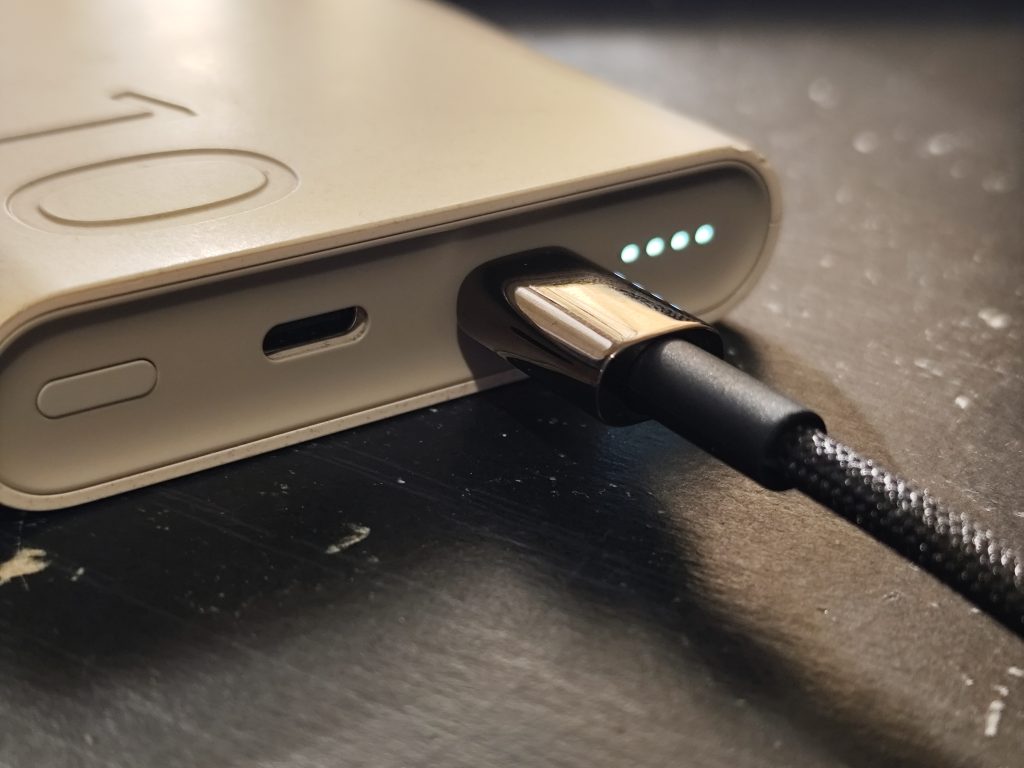
From March 24, 2026, all mobile devices seeking type approval in Kenya must meet updated technical requirements, including the adoption of USB Type-C charging ports alongside stricter safety and performance benchmarks. While these changes bring Kenya in line with global regulatory trends, they also introduce a new threshold that not all low-cost devices may easily meet.
Crucially, the Authority has maintained that existing phones will remain fully legal. Devices already in use, previously approved, or currently in the supply chain will not be affected by the new standards. There is no requirement for consumers to replace their current handsets.
However, the longer-term implications are harder to ignore. Many entry-level and feature phones, particularly those at the lowest end of the market, still rely on older charging technologies such as micro-USB. As manufacturers and importers adjust to the new compliance environment, some of these models may gradually disappear from formal retail channels if they fail to meet approval requirements.
This is where the tension lies. While there is no outright ban, the policy effectively raises the baseline for what can enter the Kenyan market going forward. In doing so, it could reshape the availability and pricing of entry-level devices over time.
For the Communications Authority, the balancing act is clear: enforce higher standards without undermining digital inclusion. Kenya has long positioned itself as a leader in mobile connectivity across Africa, and ensuring broad access to affordable devices remains central to that ambition.
For consumers and industry players alike, the message is equally clear. There is no immediate disruption. But the market is shifting – and the full impact of these new rules will unfold not overnight, but gradually, as the next generation of devices replaces the old.