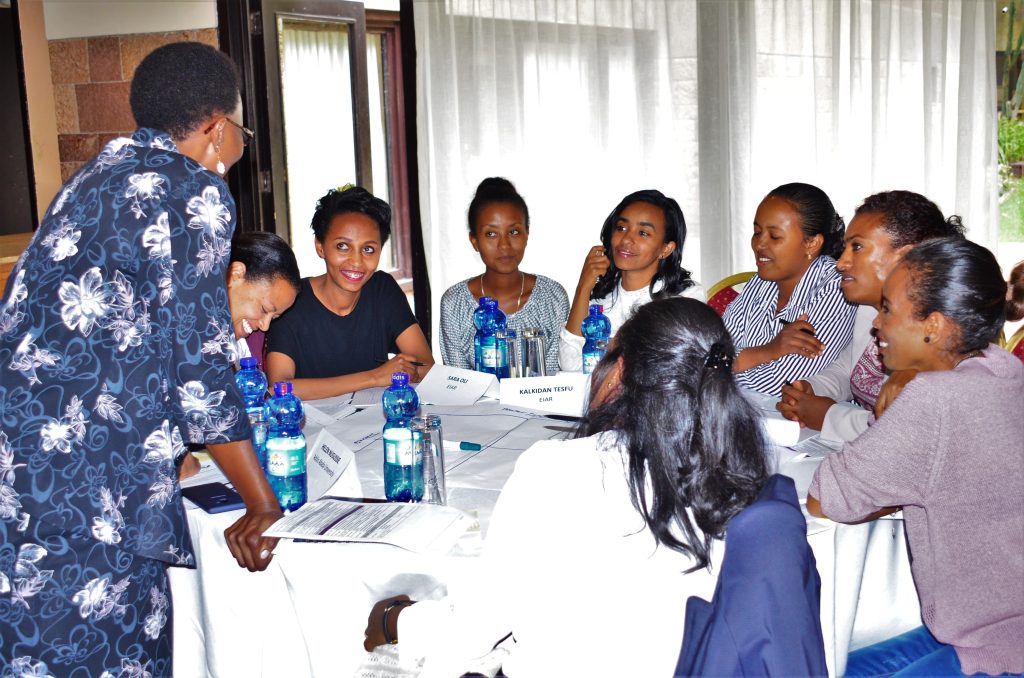
African women innovators are turning to artificial intelligence and smart technologies to tackle some of the continent’s most persistent challenges in healthcare and agriculture, as Africa faces a growing need for faster diagnosis, more efficient food production and locally developed technological solutions.
From using smartphones and microscopes to help diagnose diseases in Uganda to deploying sensors and cloud-based technology to improve potato production in Rwanda, the innovators are showing how emerging technologies can be adapted to address challenges on the continent.
The stakes are particularly high in healthcare. In 2024, the World Health Organization estimated that 282 million people contracted malaria globally and 610,000 died from the disease. The WHO African Region accounted for about 95 per cent of both malaria cases and deaths, with children under five accounting for about 75 per cent of malaria deaths in the region.
Tuberculosis remains another major health challenge. WHO estimates that 2.62 million people developed TB in the African Region in 2024, representing about a quarter of the global total of 10.7 million cases.
Cervical cancer is also a major concern. According to WHO, cervical cancer is the leading cause of cancer death among women in sub-Saharan Africa, with 18 of the 20 countries carrying the world’s highest cervical cancer burden located in the WHO African Region. Africa accounted for 23 per cent of global cervical cancer deaths in 2022.
Those challenges are now pushing African researchers to look beyond conventional approaches and develop technology-driven solutions of their own. In Uganda, a researcher, Dr. Rose Nakasi, from the Makerere AI Health Lab and Makerere University, is leading a team developing an artificial intelligence-powered diagnostic system for diseases including malaria, tuberculosis and cervical cancer.
The technology combines a microscope, smartphone and artificial intelligence. A 3D-printable adapter connects a smartphone to a microscope, allowing images of patient samples to be captured and analysed by AI models trained to detect disease-causing pathogens.
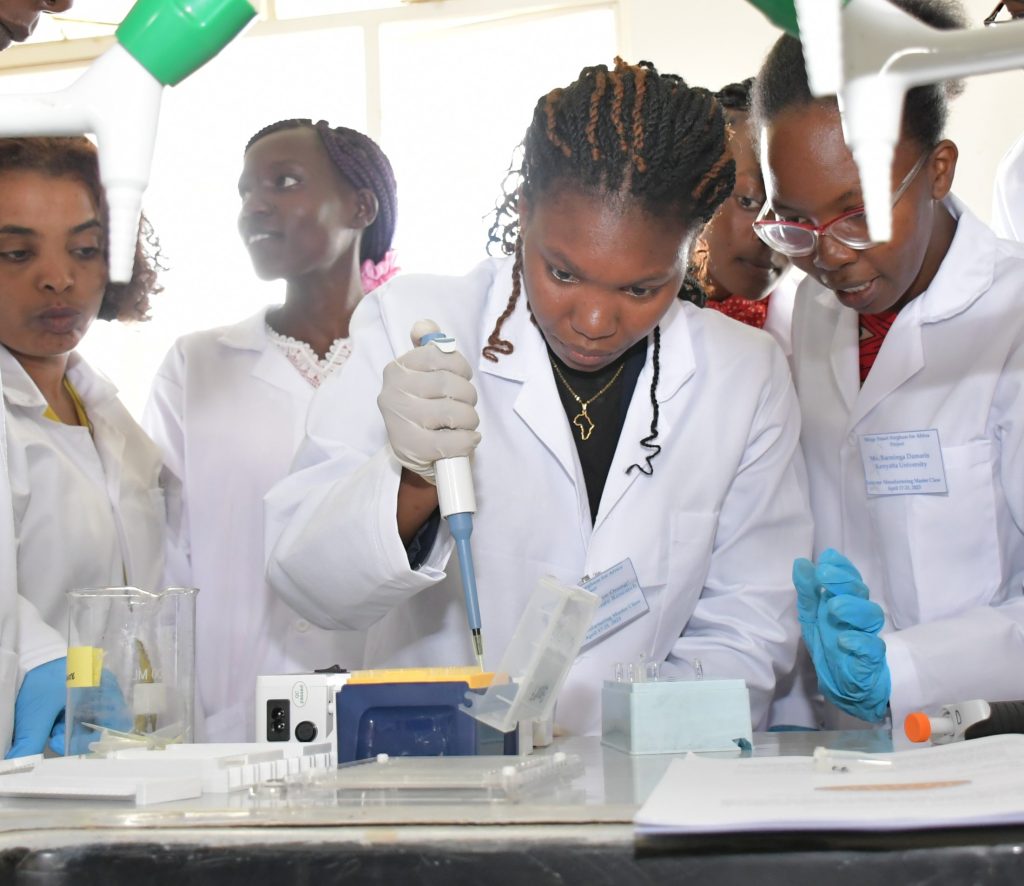
The aim is to make diagnosis faster, more accessible and consistent, particularly in health facilities where laboratory expertise may be limited.
“One of the key contributors to some of the increased severity of this burden is that we lack simple, rapid, accessible and accurate diagnostics,” Nakasi said.
Early results are promising. The malaria model has achieved 92 per cent specificity, while the cervical cancer model has recorded more than 94 per cent accuracy.
The technology is already moving beyond the research stage. More than 150 laboratory technicians and 10 pathologists have been trained to use the system, while the project is operating across more than 35 health facilities in Uganda.
From diagnosis to food production
The same push towards locally adapted technology is emerging in agriculture. Food security remains a major challenge across Africa. FAO data shows that in 2024, more than two-thirds of the population of sub-Saharan Africa experienced moderate or severe food insecurity, compared with just under half in 2015.
That makes technologies that can help farmers produce more efficiently, conserve resources and respond to changing growing conditions increasingly important.
In Rwanda, agroforester and innovator Clémence Uwamutarambirwa is applying smart technology to potato production. Her Smart Potato Greenhouse Technology combines sensors, cloud-based analytics and a mobile application to allow farmers and greenhouse managers to monitor growing conditions remotely.
Sensors installed in greenhouse beds continuously measure temperature, humidity and soil moisture. The information is transmitted to a cloud platform for analysis, while farmers receive updates and alerts on their mobile phones and can remotely manage irrigation.
The technology also supports hydroponic production, where crops are grown using water-based nutrient solutions rather than conventional soil. Uwamutarambirwa says the soil-less technique can increase potato seed production, conserve water and protect crops from soil-borne pathogens.
Feedback from greenhouse managers suggests the technology is making it easier to monitor production remotely, manage temperature and humidity, and improve the security of produce.
The researchers behind the projects are adapting AI, smartphones, sensors and cloud computing to specific problems faced by African communities. In Uganda, that means addressing gaps in disease diagnosis. In Rwanda, it means giving farmers better tools to monitor crops and manage greenhouse production.
Why locally developed technology matters
The two innovations highlight a broader question for Africa: Can the continent use emerging technologies to develop solutions for its own challenges, rather than simply importing technologies designed elsewhere?
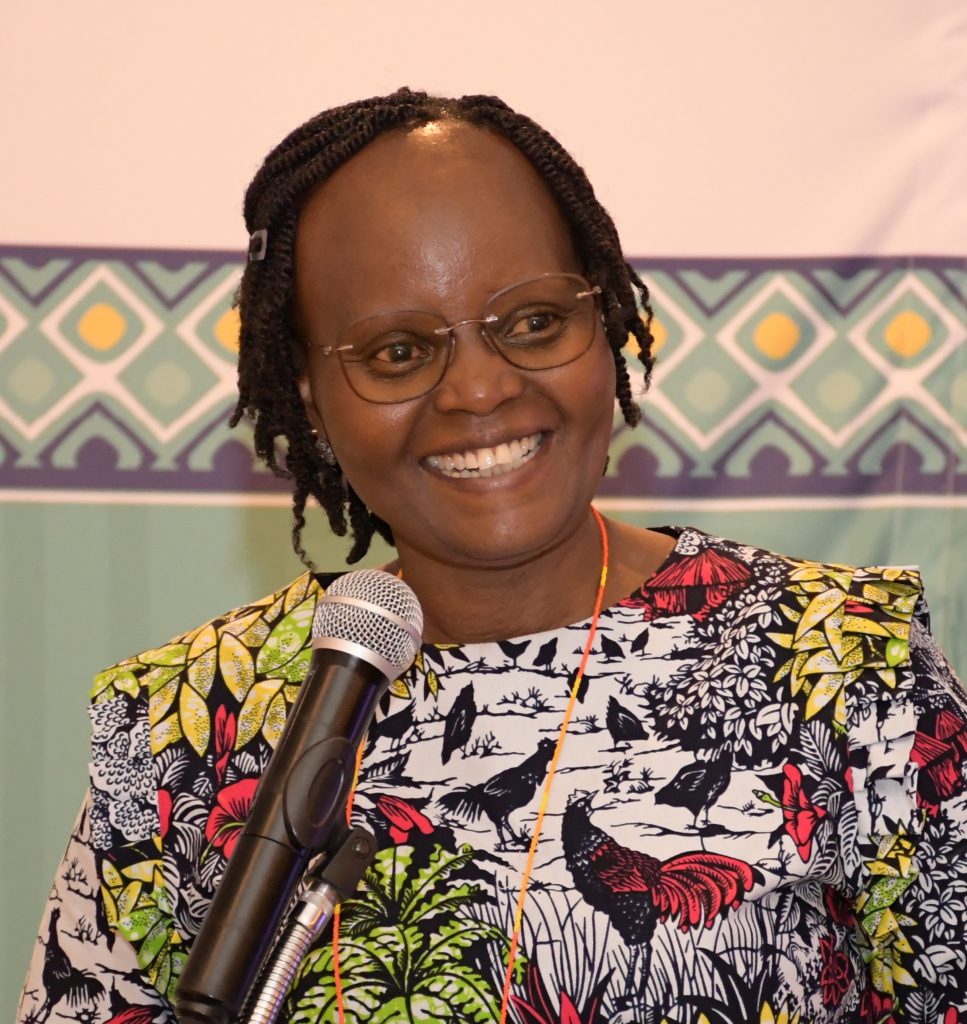
The innovations also demonstrate the growing role of women in Africa’s science and technology sectors.
Dr. Margaret Karembu, Director of ISAAA AfriCenter and Chair of Africa Women for Biosciences, says increasing women’s participation in science and technology cannot be left to women alone. She argues that men, supervisors, mentors, institutional leaders, partners and policymakers all have a role to play in creating opportunities for women in science and innovation.
Karembu is also calling for stronger networks and opportunities for women interested in science and innovation, including those without formal training in biosciences.
The innovations were showcased during a webinar hosted through the Africa Science Dialogue, which brought together more than 50 participants, including early-career scientists, agricultural researchers, policymakers, farmers, journalists, academics and industry representatives.