The recent school bus accident in Uganda that claimed the lives of 23 pupils and one adult has reignited debate across East Africa over the safety of learners during educational trips.
The tragedy prompted the Ugandan government to suspend all school excursions and educational trips as investigations into the cause of the crash continue. While some have welcomed the decision as a necessary precaution, education experts argue that lasting solutions lie in improving safety systems rather than halting experiential learning.
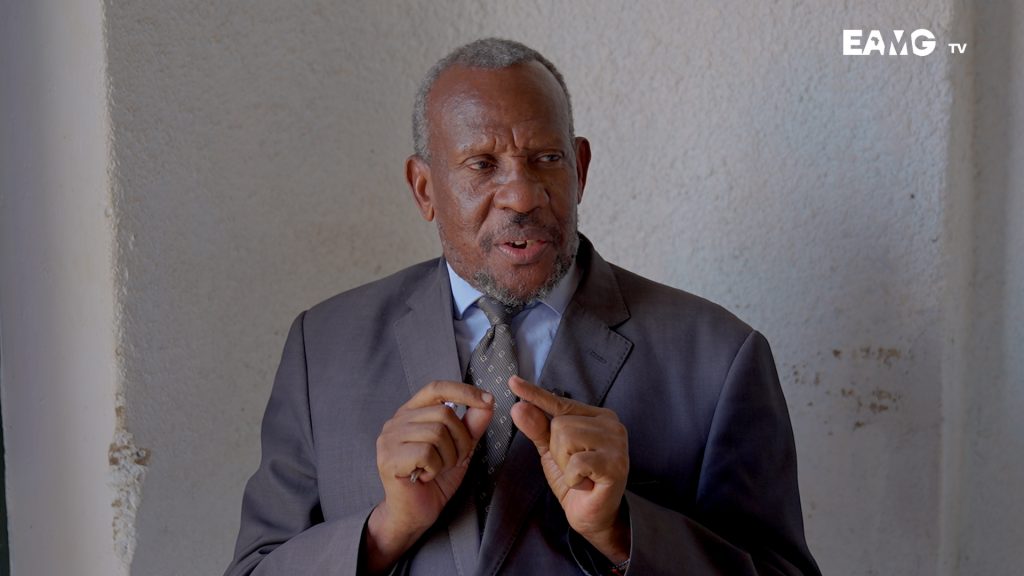
Education Researcher and Author Professor Pacifique Malonga says banning school trips is an emotional response that fails to address the root causes of such tragedies.
“Banning such kinds of travels, to me, is not a solution. The solution is simply to accept what has happened and work accordingly towards preventing such incidents and such occurrences from happening again,” he said.
According to Professor Malonga, educational trips are an integral part of learning because they expose learners to experiences that cannot be replicated in the classroom. To illustrate his point, he cited a traditional proverb:
“Akanyoni kataburutse ikamenya umugeze. Akanyoni means a bird. A bird that doesn’t fly will never know or will die of hunger and will never gain anything from other places. So is the case for our children and grandchildren.”
Drawing from his own experience, he added:
“I’ve got six grandchildren. I want all my grandchildren to travel from one place to another so that they learn… they learn what is happening in other places.”
Professor Malonga argued that suspending educational trips does not automatically make learners safer. Instead, he urged governments and schools to strengthen transport safety standards, strictly enforce road safety regulations and ensure that only qualified, well-vetted transport providers are entrusted with transporting students.
Education experts say schools should also conduct thorough risk assessments before trips, verify that vehicles are roadworthy, ensure drivers are properly licensed and experienced, and have emergency response plans in place.
Professor Malonga further stressed that protecting learners should not rest with one institution alone.
“The security of children is not one group’s responsibility. It is the responsibility of the entire educational system. It is the responsibility of you journalists, of parents, of school administrators, of students themselves, and of the government.”
As investigations into the deadly crash continue, the tragedy has renewed calls across the region for stronger transport safety measures that protect learners while preserving educational opportunities beyond the classroom.