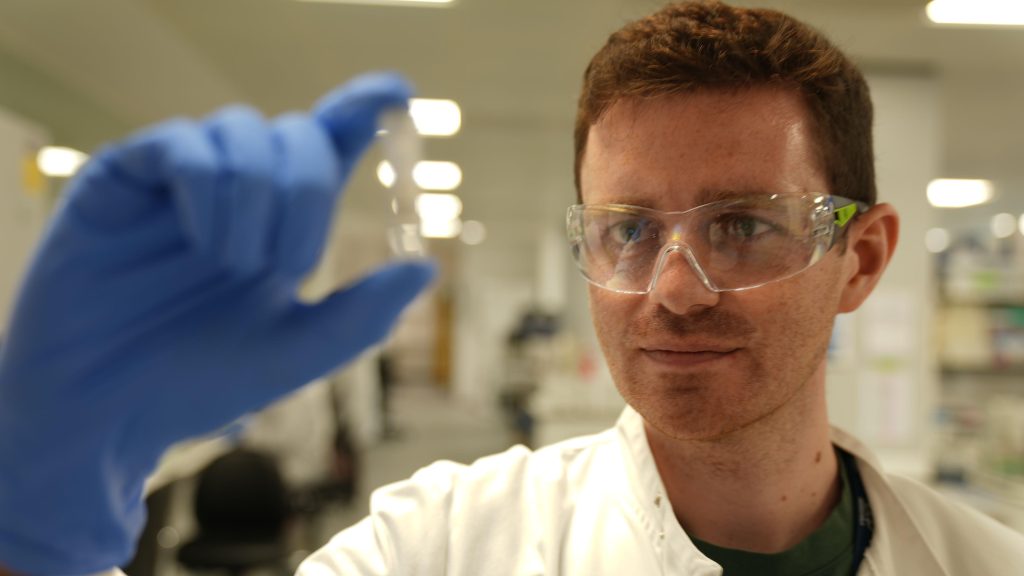
The University of Oxford has begun the first human trial of a new experimental Ebola vaccine, marking a significant step in the global effort to contain the ongoing outbreak in the Democratic Republic of the Congo (DRC).
The vaccine, developed in just eight weeks, has received regulatory approval to enter Phase I clinical trials and will initially be tested on 50 healthy adult volunteers in the United Kingdom. Researchers will assess its safety and immune response before advancing to larger studies.
The Oxford-developed vaccine is the first of four experimental candidates to reach human testing in response to the current Ebola outbreak, which is caused by the Bundibugyo strain of the virus. Unlike the more common Zaire strain, there is currently no approved vaccine or specific treatment for the Bundibugyo variant.
Health experts hope the rapid development of the vaccine could help strengthen efforts to control the outbreak in the DRC, where hundreds of people have died since the disease was declared earlier this year. If the initial trials prove successful, further testing is expected to take place in affected African countries before the vaccine can be considered for wider approval and use.
Ebola is a highly infectious viral disease that spreads through direct contact with the bodily fluids of infected people or contaminated materials. It causes severe fever, internal bleeding, and organ failure, and can have fatality rates ranging from 25% to 90%, depending on the outbreak and the level of medical care available.
The rapid progress of the Oxford vaccine highlights how advances in medical research and international collaboration are helping accelerate responses to emerging health emergencies. Scientists say continued investment in vaccine development will be critical to improving preparedness against future outbreaks and protecting vulnerable communities.
If proven safe and effective, the vaccine could become an important new tool in the fight against one of Africa’s deadliest infectious diseases.