Cancer continues to exact a heavy toll on Kenyans, with an estimated 39,000 new cases and more than 27,000 deaths recorded annually, making it the country’s third leading cause of death after infectious and cardiovascular diseases. Health experts say the biggest challenge is that 70 to 80 per cent of cancer cases are diagnosed at advanced stages, when treatment becomes more complex, costly and less effective.
The burden mirrors a global trend where cancer now claims more lives than HIV, tuberculosis and malaria combined. Nearly 70 per cent of the world’s cancer burden is borne by low- and middle-income countries, including Kenya, where limited access to screening, inadequate diagnostic facilities, high treatment costs and shortages of specialised healthcare workers continue to hinder timely care.
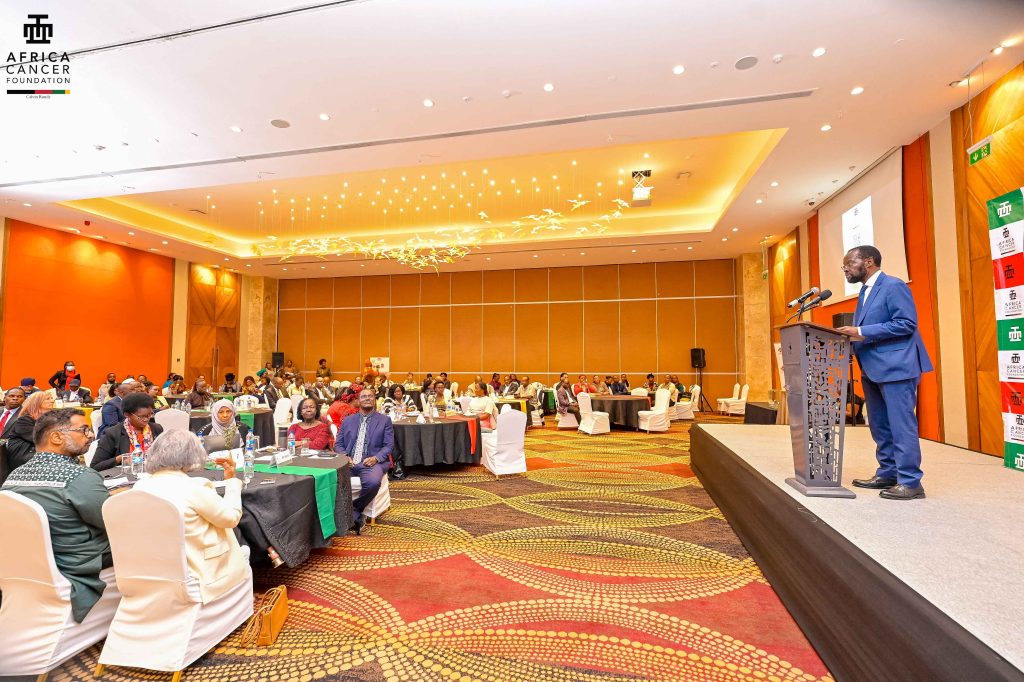
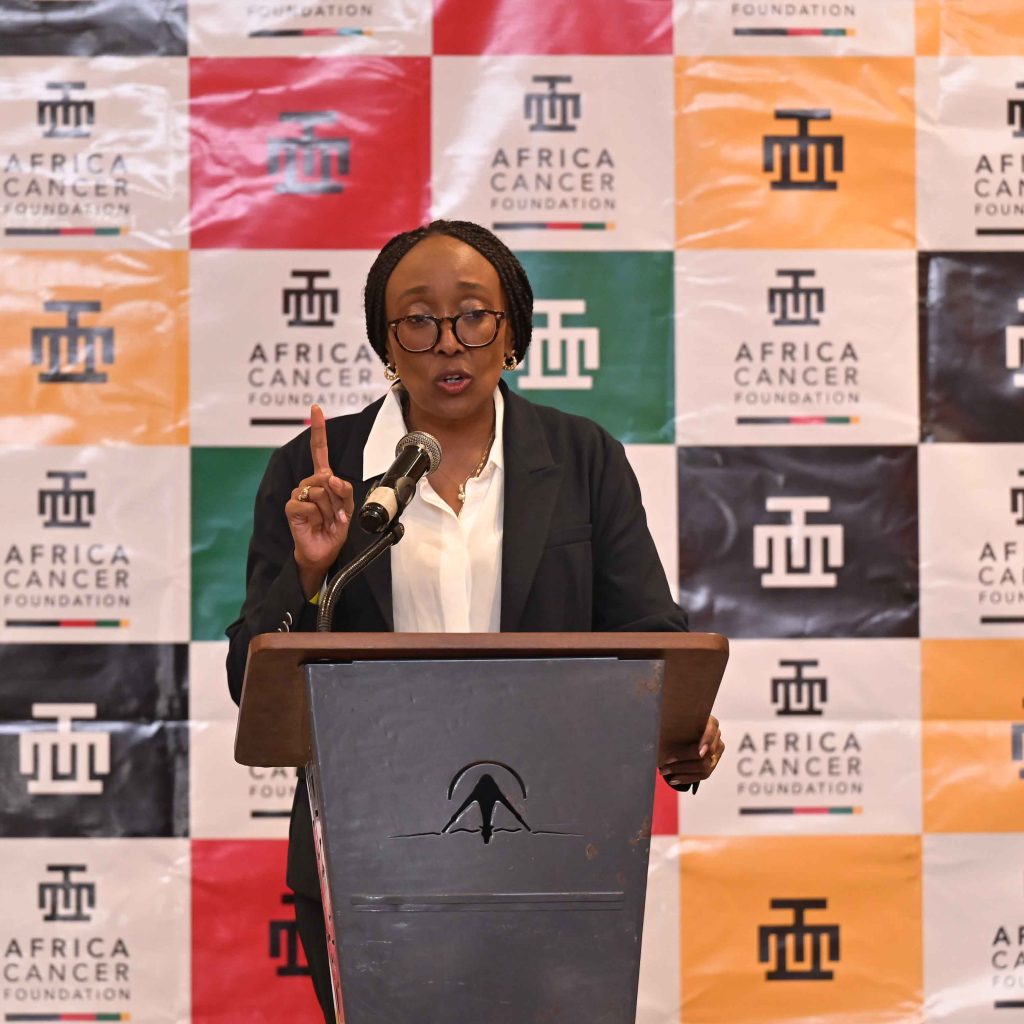
It is against this backdrop that the Africa Cancer Foundation (ACF) marked 15 years of cancer advocacy in Nairobi on Friday, renewing calls for greater investment in awareness, screening, early detection and patient support.
Speaking during the Foundation’s anniversary event, ACF Chairperson Prof. Peter Anyang’ Nyong’o said Kenya must prioritise detecting cancer before it progresses to advanced stages.
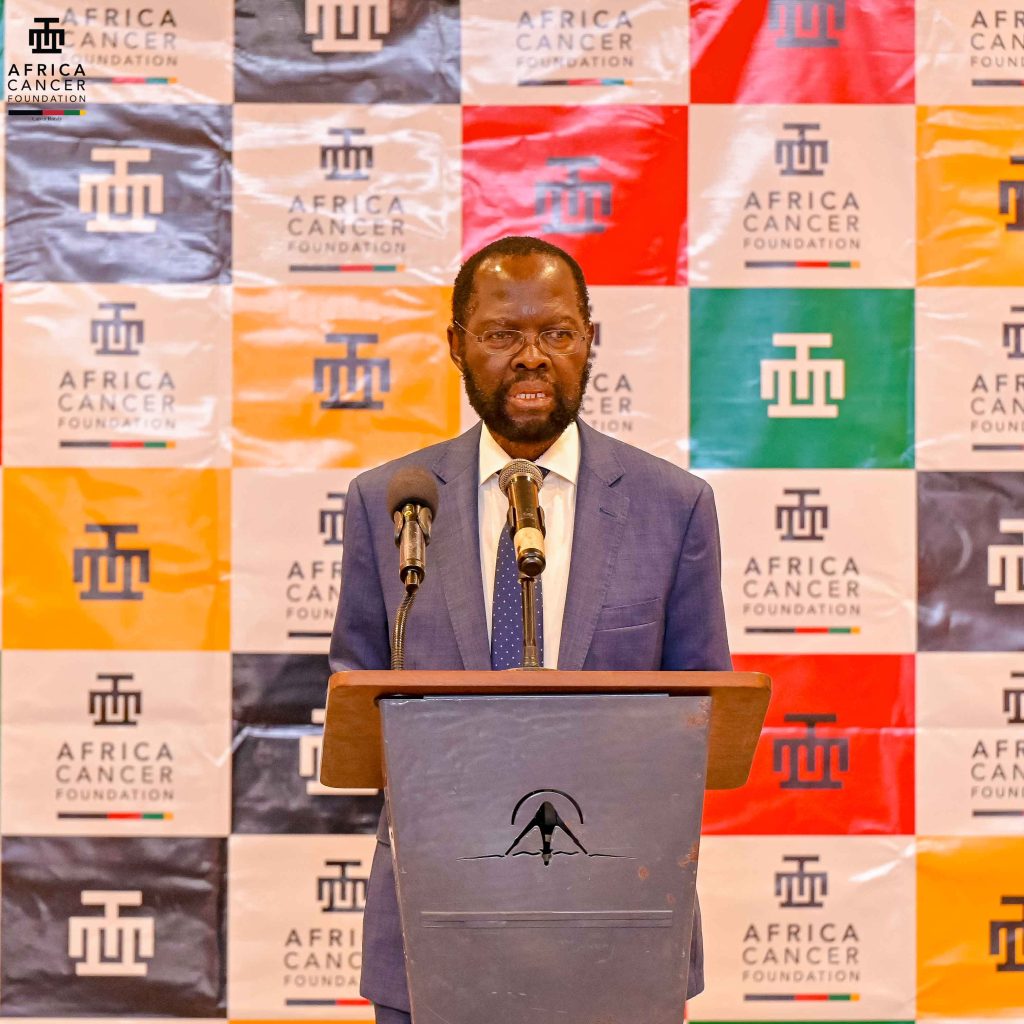
“For 15 years, we have pursued a simple but urgent mission: advocacy that changes systems and service that touches lives. As we mark this milestone under the theme ‘Own Your Cancer Story’, Kenya must invest more in awareness, screening and early detection, because when cancer is found early, lives can be saved and hope can be delivered on time,” said Prof. Peter Anyang’ Nyong’o.
Prof. Nyong’o, who is a prostate cancer survivor, said the Foundation was established in 2011 to ensure that more Kenyans, especially those without easy access to specialists, information or financial support, are not left to face cancer alone.
Medical experts estimate that 30 per cent of cancers are curable if detected early, while another 30 per cent can be successfully managed with prolonged survival through timely diagnosis and treatment. A further 30 per cent of patients can benefit from adequate symptom management and palliative care, underscoring the importance of early intervention and access to quality healthcare.
Consultant Medical Oncologist and President of the Kenya Society of Haematology and Oncology, Dr. Gladwell Kiarie, says expanding access to screening remains one of the most effective ways of improving cancer outcomes.
“Early detection changes the course of cancer care. When cancer is found early, treatment is simpler, outcomes are better and lives are saved. ACF has helped take awareness and screening closer to communities that would otherwise have limited access. Cancer care is a shared responsibility, and stronger partnerships are essential to ensure no Kenyan is left behind because of where they live or what they can afford,” said Dr. Gladwell Kiarie.
According to available data, 60 per cent of Kenyans diagnosed with cancer are below the age of 70, highlighting the disease’s growing impact on the country’s productive population. Breast and cervical cancers remain the leading cancers among women, while prostate and oesophageal cancers are the most common among men.
Health experts attribute delayed diagnosis to low levels of public awareness, inadequate diagnostic services, limited treatment facilities and the high cost of care, challenges that continue to force many patients to seek medical attention only after symptoms become severe.
Beyond late diagnosis, patients continue to face significant challenges accessing treatment. Ministry of Health data shows that as of 2023, Kenya had 30 radiation oncologists, 14 medical physicists and 45 radiation therapists serving a population of more than 50 million people. The country also had only 10 radiotherapy centres and five brachytherapy centres, translating to fewer than one radiotherapy machine for every one million people.
Most of the specialised treatment facilities are concentrated in major urban centres, forcing many patients from rural counties to travel long distances for care. The limited number of treatment machines also means facilities are often overwhelmed, resulting in long waiting lists and occasional equipment breakdowns that delay treatment.
One such case occurred at Kenyatta National Hospital, where radiotherapy machine breakdowns forced the Ministry of Health to arrange treatment for some patients at nearby private hospitals, with priority given to children awaiting therapy. Such delays can allow cancers to progress, reducing the chances of successful treatment.
Over the past 15 years, ACF says it has screened more than 35,000 women and men for breast, cervical and prostate cancer across 27 counties. The Foundation has also supported the establishment of 19 EMPOWER Clinics in 18 counties, helping bring breast and cervical cancer screening services closer to communities.
As part of the anniversary activities, ACF deployed its Clinic on Wheels, a mobile screening unit funded by Tiba Foundation. The clinic offered breast and cervical cancer screening for women of reproductive age, prostate cancer screening for men aged 40 years and above, HPV testing and ultrasound services.
The Foundation also launched an Endowment Campaign targeting between KES 15 million and KES 30 million as part of a planned US$100 million Endowment Fund to support community screening, awareness campaigns, volunteer training and patient referral services.
While commemorating the milestone, health stakeholders said Kenya’s response to cancer will require sustained investment in prevention, early diagnosis, treatment infrastructure and specialist training if the country is to reverse the growing burden of the disease and improve survival rates for patients.