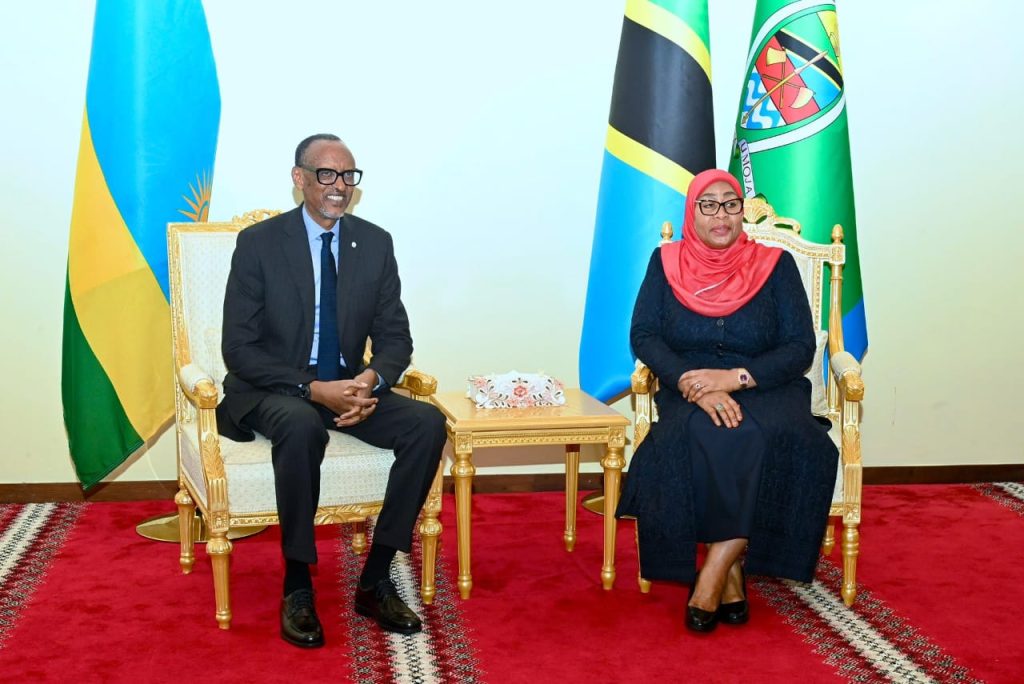
Rwanda has signed a new agreement with Gulf Bulk Petroleum Tanzania Limited (GBP) to facilitate the importation and storage of bulk refined petroleum products through Tanzania’s Port of Tanga, in a move aimed at strengthening the country’s energy security and diversifying its fuel supply routes.
The agreement was signed on Thursday between the Rwanda National Energy Company (RNEC) and GBP. It forms part of the government’s broader strategy to secure multiple fuel import corridors and reduce the risk of supply disruptions.
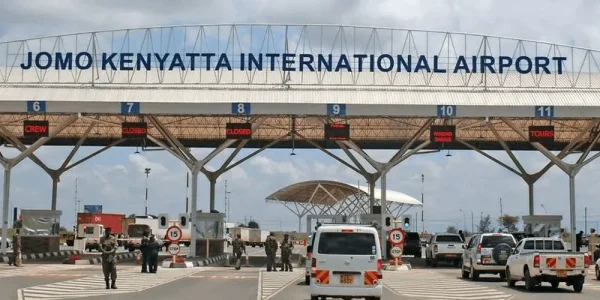
The deal follows a series of agreements Rwanda signed with Kenya in late June that will allow the country to import refined petroleum products through the Port of Mombasa under a government-to-government framework.
By adding the Port of Tanga to its fuel import network, Rwanda will be able to utilize both the Northern Corridor, through Kenya, and the Central Corridor, through Tanzania, providing greater flexibility in the transportation and storage of petroleum products.
Officials say the strategy is intended to improve supply reliability, strengthen energy security, and enhance resilience against regional logistics challenges and volatility in global oil markets.
RNEC, a state-owned enterprise, is responsible for the commercial management of Rwanda’s petroleum imports and strategic investments in the energy sector. Its mandate includes petroleum procurement, supply management, and the development of infrastructure to ensure the country’s long-term fuel security.
The agreement also reflects growing regional cooperation on energy and trade within the East African Community (EAC), where member states have increasingly sought to improve cross-border infrastructure and strengthen supply chains for strategic commodities.
Rwanda relies on imported petroleum products to meet domestic demand. Government officials have identified the diversification of import routes as a key priority to reduce logistical bottlenecks, improve supply stability, and support the country’s economic growth.
No financial details of the agreement or the expected import volumes through the Port of Tanga were disclosed.