The Democratic Republic of the Congo (DRC) has begun clinical trials of experimental Ebola treatments as health authorities race to contain a rapidly worsening outbreak of the virus’s rare Bundibugyo strain, for which there is currently no approved vaccine or specific treatment.
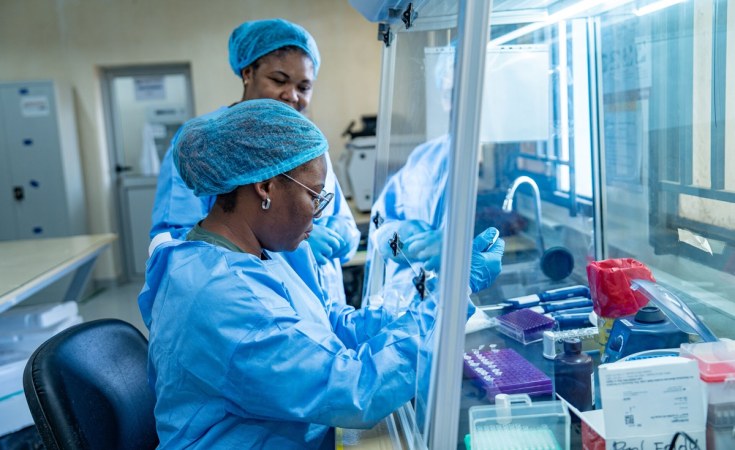
The World Health Organization (WHO)-supported study enrolled its first patient on Thursday and will evaluate the effectiveness of the monoclonal antibody MBP134 and the antiviral drug remdesivir, both individually and in combination, against the virus.
The trial comes as the outbreak continues to expand. Since it was declared on May 15, the DRC has recorded 1,460 confirmed Ebola cases and 447 deaths, representing a fatality rate of 30.6%.
WHO Director-General Dr. Tedros Adhanom Ghebreyesus said the study could run for several months and may eventually include more than 1,000 patients. Participants will receive supportive medical care alongside the experimental treatments while being closely monitored by health professionals.
Health officials say the outbreak is currently averaging 38 new confirmed cases per day, placing growing pressure on treatment centres that are approaching full capacity.
Although the majority of infections and deaths remain concentrated in Ituri Province, the virus has spread to North Kivu, South Kivu, and the city of Kisangani, raising concerns about wider transmission.
Authorities said the virus reached Kisangani after the body of a pregnant woman who died in Ituri was transported by motorcycle to the city, highlighting the challenges of preventing transmission across regions.
Efforts to contain the outbreak have also been hindered by insecurity and public mistrust. This week, an Ebola treatment centre was set on fire during protests linked to the burial of suspected Ebola victims, an incident that reportedly left two people dead and disrupted response operations.
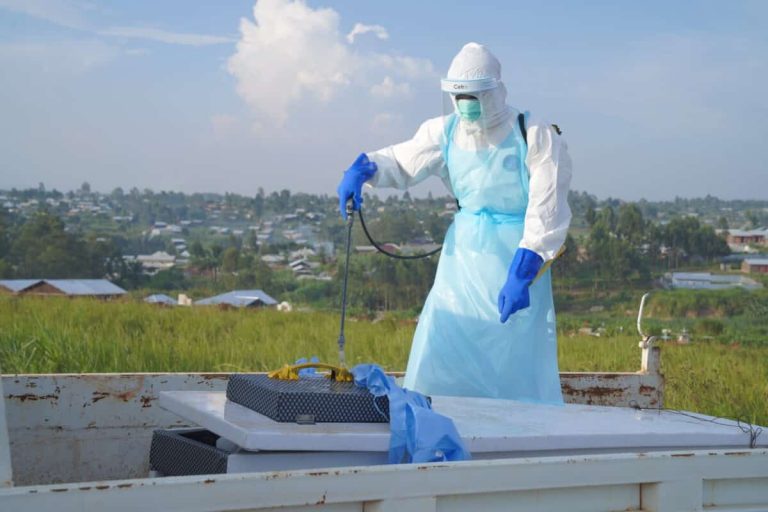
Health experts warn that containing the outbreak will require not only effective treatments but also stronger community engagement, rapid case detection, contact tracing, and safe burial practices to break chains of transmission.
The Bundibugyo strain of Ebola is significantly less studied than the Zaire strain, for which licensed vaccines and treatments are available, making the current clinical trial a critical step in identifying effective therapies for future outbreaks.