A coalition of regional legal and human rights organisations has petitioned Kenya’s Environment and Land Court to halt further construction of tourist accommodation within the Maasai Mara National Reserve, arguing that expanding luxury tourism infrastructure is threatening one of the world’s most important wildlife migration routes.
The case was filed by the East Africa Law Society, Natural Justice, JustAct, and the Africa Centre for Peace and Human Rights against several respondents, including Ritz-Carlton Hotel Company LLC, Marriott International Inc., Lazizi Mara Limited, the Narok County Government, the National Environment Management Authority (NEMA), the Attorney General, the Kenya Wildlife Service (KWS), The Safari Collection Ltd, and Minor Hotels Ltd.
The petitioners are asking the court to certify the matter as one of significant public interest and refer it to the Chief Justice for the appointment of a five-judge bench, citing the constitutional, environmental, and regional importance of the case.
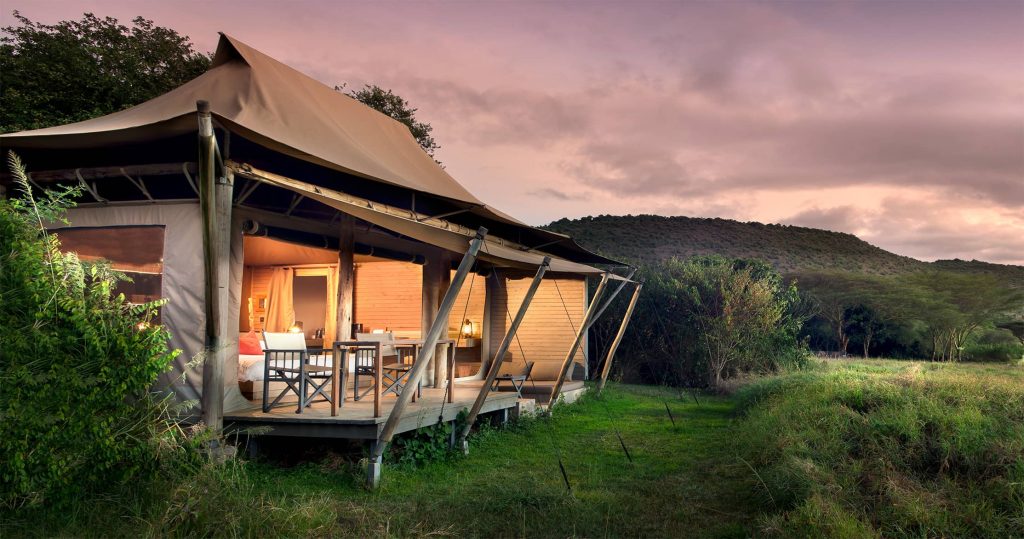
At the centre of the dispute is the Ritz-Carlton Maasai Mara Safari Camp, a 20-suite luxury development near the Sand River inside the Maasai Mara National Reserve. According to court documents, the facility is located within areas designated as the Low Use Zone and close to the Mara River Ecological Zone, which are protected under the Maasai Mara National Reserve Management Plan 2023–2032 for conservation purposes.
The petitioners allege the project proceeded despite a moratorium on new accommodation developments in protected areas and claim it was undertaken without a valid Environmental Impact Assessment (EIA). They also accuse other hospitality operators, including Sala’s Camp, operated by The Safari Collection Ltd, and Elewana Sand River Masai Mara, operated by Minor Hotels Ltd, of occupying environmentally sensitive areas within the reserve.
The organisations cite findings from the University of Glasgow’s Serengeti Biodiversity Programme, which analysed 26 years of GPS wildlife tracking data. According to the petition, the research indicates that the Ritz-Carlton camp lies within a critical wildebeest migration corridor and that construction activities have disrupted traditional migration routes used during the annual movement between Tanzania’s Serengeti National Park and Kenya’s Maasai Mara.
Court filings further claim that since construction of the camp began in 2022, wildebeest have spent longer periods on the Tanzanian side of the border, with fewer animals crossing the Sand River through what was previously a heavily used migration route.
The petition argues that the issue extends beyond Kenya because the Great Wildebeest Migration is internationally recognised as one of the world’s most significant natural events and is protected under several international environmental agreements to which Kenya is a party.
The organisations are asking the court to suspend approvals for any new accommodation facilities or expansions within ecologically sensitive areas of the reserve, particularly the Low Use Zone and the Mara River Ecological Zone, pending determination of the case.
They are also seeking orders requiring government agencies to conduct a comprehensive audit and physical inspection of all tourism facilities operating within protected areas of the Maasai Mara and submit their findings to the court.
The respondents had not publicly responded to the allegations at the time of publication. The court is expected to determine whether the case will proceed before a specially constituted bench.
The petition comes as Kenya prepares for the peak of the 2026 wildebeest migration season, with conservation groups warning that continued development in sensitive habitats could have long-term consequences for biodiversity, ecosystem health, and one of Africa’s most iconic wildlife spectacles.