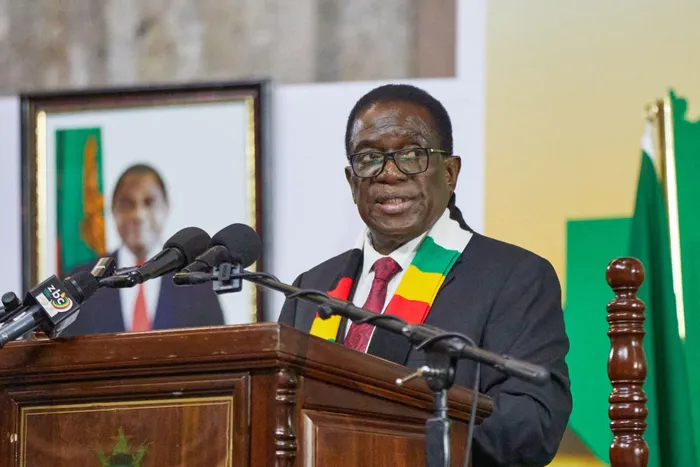
Zimbabwe’s Senate has approved a constitutional amendment bill that could allow President Emmerson Mnangagwa to remain in office until 2030, two years beyond the end of his current term. The legislation now awaits final parliamentary procedures and presidential assent before becoming law.
The bill, which has already secured the required two-thirds majority in both houses of Parliament, extends presidential and parliamentary terms from five years to seven years and postpones the next general elections from 2028 to 2030.
Senate President Mabel Chinomona announced that 75 senators voted in favor of the measure, while four opposed it. The National Assembly had previously approved the bill by a wide margin on June 18.
The proposed amendments are among the most significant constitutional changes in Zimbabwe in recent years. In addition to extending terms of office, the legislation would overhaul the country’s electoral system by replacing direct presidential elections with a system in which lawmakers select the president.
Supporters, including members of the ruling ZANU-PF party, argue that longer terms will enhance political stability, improve policy continuity, and provide more time for implementing development programs.
However, critics have condemned the changes as a threat to democratic governance and constitutional checks on executive power. Opposition figures, legal experts, and civil society groups argue that extending presidential tenure and altering the electoral process should require a national referendum rather than parliamentary approval alone.
Mnangagwa, 83, came to power in 2017 following the military-backed removal of long-time leader Robert Mugabe. He was re-elected in 2023 and had previously indicated that he would step down at the end of his second term in 2028.
The constitutional changes have intensified debate over democratic governance in Zimbabwe and could face legal challenges from opponents seeking to block their implementation.