


Rwanda, together with the international community, has today, April 7, 2026, officially begun the 32nd commemoration of the 1994 Genocide against the Tutsi, marking a period of reflection, remembrance, and renewed commitment to “Never Again.”
The national commemoration week, organized by the Ministry of National Unity and Civic Engagement (MINUBUMWE), opened at the Kigali Genocide Memorial, the central site for national remembrance ceremonies.
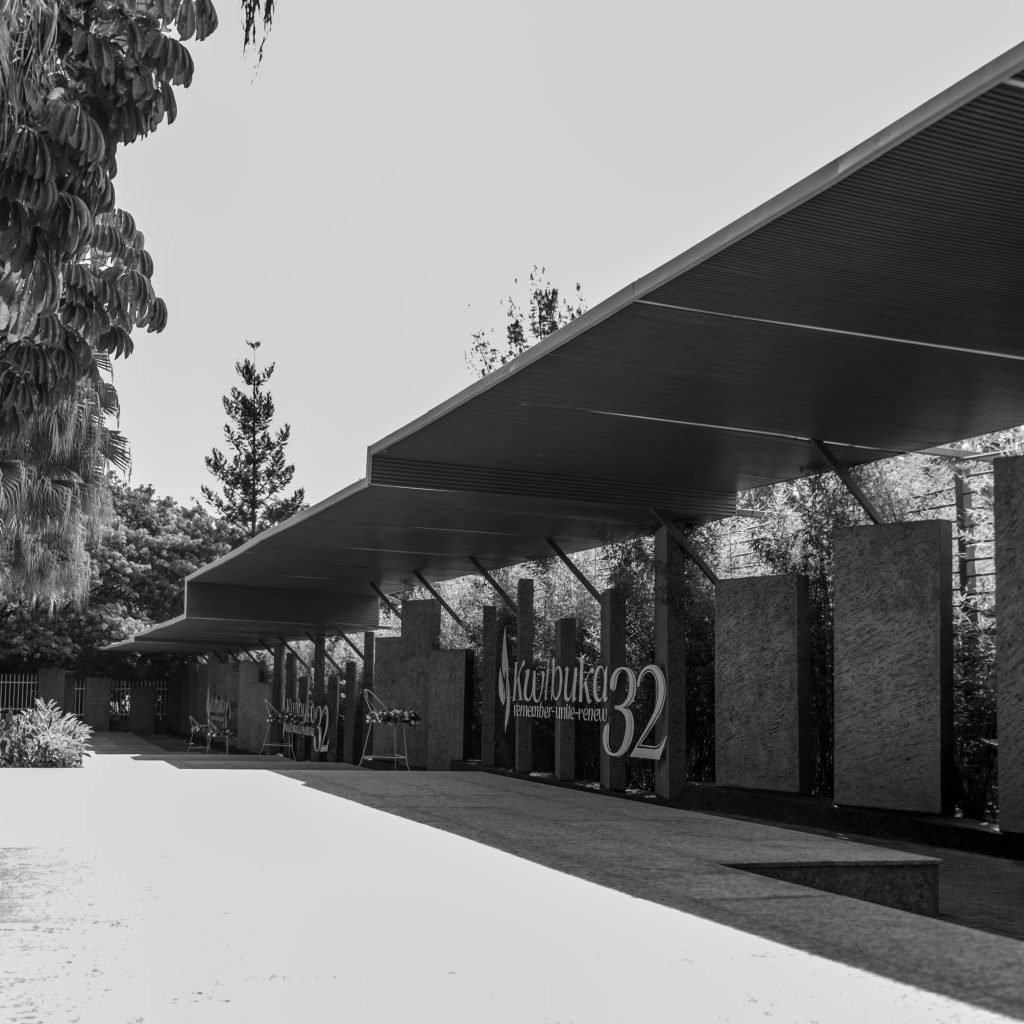
As part of the opening day activities, a “Walk to Remember” is scheduled for the evening of April 7, beginning in Gasabo District and concluding at BK Arena. The walk will lead into the Evening of Remembrance, a symbolic gathering that brings together citizens and leaders in tribute to the victims.
Nationwide Activities and Community Engagement
Across the country, communities are holding discussions and guided conversations focused on the messages of the day, reinforcing unity and collective memory. However, at the village level, additional talks will not be conducted beyond those planned for April 7.
The ministry has emphasized that while remembrance remains central, normal activities will continue throughout the week. Essential services—including healthcare facilities and pharmacies—will remain fully operational, while hotels will continue serving guests.
Commercial activities, sports, and other income-generating engagements are also permitted, ensuring that daily life continues alongside remembrance efforts.
Additional Events and Guidelines
A second “Walk to Remember” is scheduled for April 11 in Kicukiro District, starting from IPRC/Kicukiro and ending at the Nyanza Genocide Memorial, where another Evening of Remembrance will be held.
The commemoration week will officially conclude on April 13 at the Rebero Genocide Memorial. This closing ceremony will also honor political leaders who were killed for resisting the genocide.
Authorities have clarified that there will be no additional district-level closing ceremonies, and all Kwibuka events should not exceed three hours. Evening vigils held ahead of ceremonies or burials are required to end by 10:00 p.m. Throughout the commemoration period, the national flag will be flown at half-mast as a sign of mourning and respect.
Extended Remembrance Period
Beyond the official week, remembrance activities will continue across institutions—including government offices, private companies, and diplomatic missions—between April 8 and July 3. These sessions will feature educational talks led by qualified facilitators.
Schools are also expected to play a key role once students return from holidays, organizing remembrance programs such as lectures and visits to memorial sites.
A Call to the Youth
Rwandans, particularly young people, are being encouraged to actively participate in commemoration activities and engage with educational content broadcast, radio, television, and digital platforms.
As the country reflects on one of the darkest chapters in its history, the 32nd commemoration serves not only as a tribute to the victims but also as a continued effort to strengthen unity, resilience, and the fight against genocide ideology.