

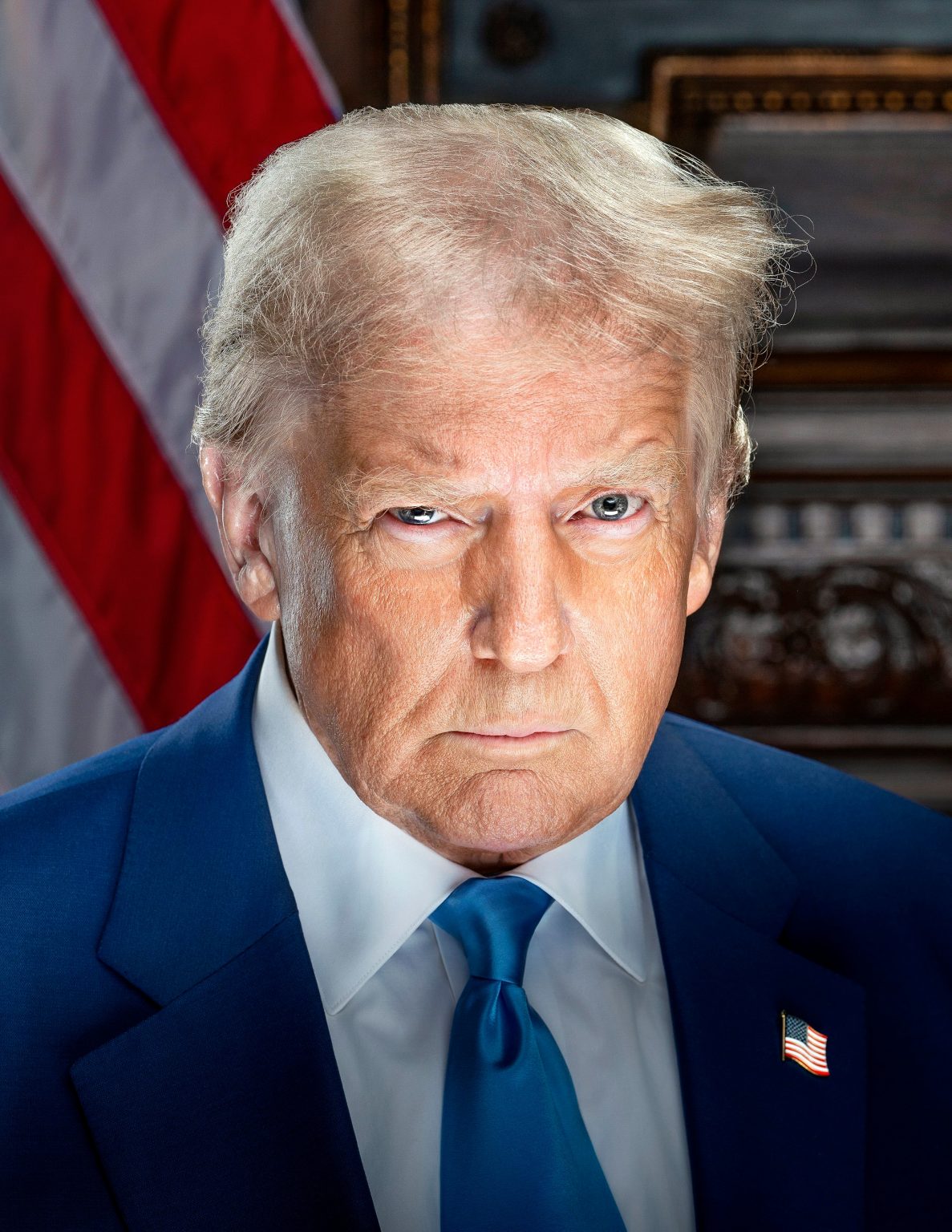
In a nationally televised address, US President Donald Trump declared that American forces are “very close” to achieving their objectives in the ongoing war with Iran, even as he warned that the United States would continue striking Iranian targets “extremely hard” over the next two to three weeks.
The address, delivered on prime time television, sought to reassure Americans that the campaign is nearing its end. Yet the President’s own words pointed to a more complicated reality — one in which escalation and closure appear to be unfolding simultaneously.
“We are very close to completing our mission,” Trump said, framing the operation as a success built on sustained military pressure. But he immediately tempered that optimism with a warning: “We will hit them extremely hard if necessary.”
That dual message — victory within reach, but more force still required — has become the defining feature of Washington’s current posture toward Tehran.
A War Framed as Ending — But Still Expanding
The United States has been engaged in an active military campaign against Iran since late February, targeting a broad range of strategic assets including missile systems, air defense infrastructure, and naval capabilities.
According to Trump, the campaign has already inflicted significant damage. Yet rather than signaling a wind-down, his remarks suggest that the final phase could be among the most intense.
“We could be finished in two to three weeks,” he said — a timeline that, while optimistic, stops short of a firm commitment.
The Missing Piece: What Does ‘Victory’ Look Like?
Perhaps the most striking element of Trump’s address was not what he said, but what he didn’t.
While repeatedly asserting that US objectives are close to being met, the President did not clearly define those objectives in measurable terms. Is victory the destruction of Iran’s military infrastructure? A change in regime behavior? A negotiated settlement?
This lack of a defined endgame has drawn concern from analysts who see the risk of a shifting goalpost, where success is declared rhetorically but remains strategically unresolved.
Global Stakes: Oil, Shipping, and Regional Stability
Beyond the battlefield, the conflict is already rippling across global systems.
The Strait of Hormuz — through which a significant portion of the world’s oil supply passes — has once again become a focal point of concern. Any sustained disruption in that corridor could trigger sharp increases in global energy prices, with knock-on effects felt as far afield as East Africa.
For East African countries, which are heavily dependent on imported fuel, even a modest spike in oil prices translates quickly into higher transport costs, inflationary pressure, and political tension at home.
In other words, this is not a distant war. It’s one that could quietly show up in the price of fuel in Nairobi within weeks.
A Familiar Pattern: Strong Words, Flexible Timelines
Trump’s rhetoric follows a familiar pattern: assert strength, signal imminent success, but leave room for continued action.
It’s a strategy designed to project control — to say, in effect, “we’re winning, but we’re not done.”
Whether that balance can be maintained is another question entirely.
The Bottom Line
The US is already in an active war with Iran. Trump says the mission is “very close” to completion. At the same time, he promises continued heavy strikes. No clear definition of victory or exit strategy has been provided.
The global economic fallout — especially oil — could hit regions like East Africa directly.