Kenya has rolled out its first structured universal newborn hearing screening programme within the public health system, a milestone initiative aimed at ensuring babies with hearing loss are identified and treated early to improve lifelong health and development outcomes.
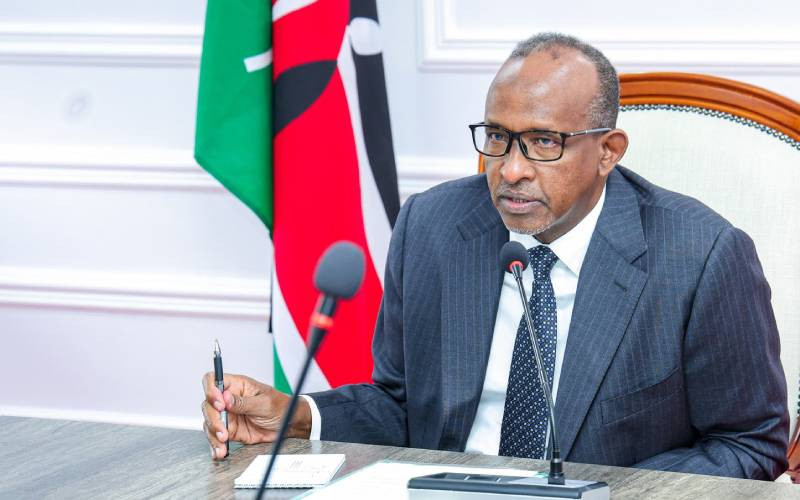
The programme was launched by Health Cabinet Secretary Aden Duale at the Kenyatta University Teaching, Referral and Research Hospital (KUTRRH), where he toured the Centre of Excellence for Ear Screening and Auditory Therapy, and officially opened the hospital’s Second Annual Scientific Conference.
Describing the initiative as a breakthrough for Kenya’s healthcare system, Duale said it demonstrates how research, innovation and strategic partnerships can transform access to specialized healthcare services.
“Hearing loss affects more than one million Kenyans and, if left undetected, can have lifelong consequences on communication, education and social inclusion,” he said.
Under the new programme, all newborns will be screened for hearing loss within their first month of life. Babies diagnosed with hearing impairment will receive confirmatory testing by three months and begin appropriate intervention by six months, in line with global best practices for early childhood hearing care.
According to Duale, KUTRRH has already demonstrated the effectiveness of integrating hearing screening into routine newborn care by screening about 80 high-risk newborns. Beyond neonatal care, the hospital’s school and community outreach programme has identified more than 900 people with hearing challenges, with 109 already fitted with hearing aids.
The initiative is supported by the Hearing the World Foundation, the Clinton Health Access Initiative (CHAI), the Global OHNS Initiative and Kenya’s Ministry of Education.
KUTRRH Chief Executive Officer Dr. Zainab Gura said the programme reflects the hospital’s commitment to expanding access to specialized, evidence-based healthcare through collaboration with government and development partners.
“The success of the ENT programme demonstrates the value of partnerships in improving access to quality healthcare for Kenyans,” she said.
Director General for Health Dr. Patrick Amoth said the theme of this year’s scientific conference, Care Without Gaps, reflects Kenya’s broader commitment to achieving Universal Health Coverage by reducing inequalities in healthcare access, strengthening coordination across the health system and ensuring continuity of care.
He urged researchers to ensure scientific findings are translated into practical interventions that improve patient outcomes and inform national health policy.
Health experts say universal newborn hearing screening is critical because hearing impairment often goes unnoticed during infancy, delaying speech, language development and learning. Early diagnosis and intervention significantly improve communication skills, educational attainment and social inclusion.
The launch positions Kenya among a growing number of countries investing in universal newborn hearing screening as part of broader efforts to strengthen maternal and child health services and reduce preventable childhood disabilities.